
Trump says Hormuz deal could come Wednesday, warns Iran of ‘hard hit’

6 hours ago

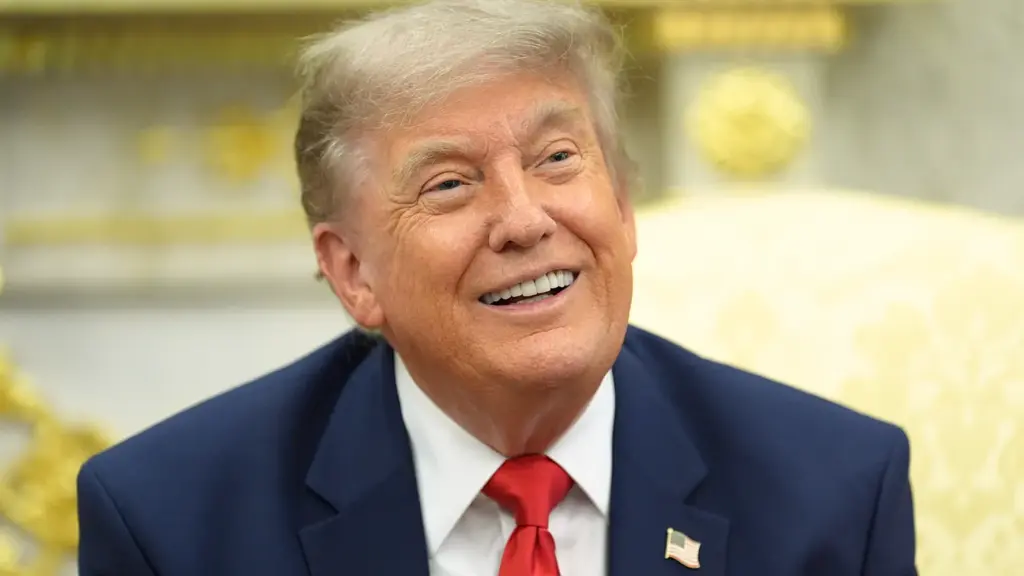
Trump says Hormuz deal could come Wednesday, warns Iran of ‘hard hit’    By Abubakar Ibrahim    US President Donald Trump has said an agreement to reopen the Strait of Hormuz could be reached as early as Wednesday, raising hopes of easing one of the biggest threats to global oil supplies, while warning that Iran would face severe military action if negotiations collapse.    Speaking to reporters in California on Tuesday, Trump said negotiators had made significant progress and suggested a breakthrough could be imminent.    “We had a very good day,” Trump said, adding that a deal could come “tomorrow or the next day.”    Earlier in an interview with Fox News, however, Trump adopted a tougher tone, declaring that Iran would be “hit very hard” if it failed to reopen the strategic waterway.    “The strait is going to be open very soon, or they’re going to get hit very hard — and then the strait’s going to be open,” Trump said.    “All you can do is fight your way out.”    The comments follow months of conflict between Washington and Tehran that have severely disrupted shipping through the Strait of Hormuz, through which roughly one-fifth of the world’s oil and liquefied natural gas supplies normally pass.    Following renewed fighting after an April ceasefire collapsed, Iran tightened its control over the waterway, insisting vessels coordinate their passage with Iranian authorities while seeking new powers to regulate shipping and impose transit fees.    Diplomatic push gathers pace  US Treasury Secretary Scott Bessent also expressed optimism that an agreement could be reached within days.    “There is a chance we may have a deal” by Wednesday or Thursday, he told CNBC.    US Secretary of State Marco Rubio confirmed Washington was participating in negotiations involving Oman aimed at restoring safe navigation through the Strait of Hormuz.    According to Axios, citing US and regional officials, the United States, Iran and Oman are close to agreeing on a 60-day interim arrangement that would allow commercial vessels to transit safely between Iranian and Omani waters. Washington reportedly hopes to announce the agreement on Wednesday.    Despite the reported progress, Iran’s Foreign Ministry has continued to deny that direct negotiations with Washington are taking place.    Qatar, which has been playing a mediating role, said diplomatic contacts remain active, although it stressed that no direct talks between the US and Iran are currently scheduled.    Qatar’s Emir, Sheikh Tamim bin Hamad Al-Thani, also held a telephone conversation with Trump on Tuesday, during which both leaders discussed efforts to de-escalate regional tensions.    Trump has repeatedly insisted that reopening Hormuz and curbing Iran’s nuclear programme remain Washington’s central objectives, although he acknowledged that nuclear negotiations could take longer.    He also reiterated that the US naval counter-blockade targeting Iranian ports would remain in place “unless a Deal, or Total Surrender, is accomplished.”    Shipping risks remain elevated  Despite growing optimism over diplomacy, security risks in the Gulf remain high.    Britain’s United Kingdom Maritime Trade Operations (UKMTO) reported on Tuesday that an unidentified cargo vessel was struck by an “unknown projectile” in the Strait of Hormuz off the coast of Oman, leaving one crew member missing.    Iran continues to maintain an effective blockade over the waterway, requiring vessels to coordinate crossings, a development that has kept tanker traffic well below normal levels and contributed to weeks of elevated oil prices.    The disruption has shifted greater importance to alternative export routes through the Red Sea.    Red Sea remains under threat  The Bab el-Mandeb Strait has become increasingly critical for Gulf energy exports as Saudi Arabia redirects more crude shipments through its Red Sea export terminal at Yanbu to avoid the Strait of Hormuz.    However, the Iran-backed Houthis in Yemen have declared a maritime blockade against Saudi shipping and have claimed responsibility for several attacks on vessels it says violated the blockade.    On Tuesday, the Indian cargo vessel MSV Faize Noore Oliya sank in the Red Sea off Yemen following an unattributed attack, although all crew members were rescued.    The Red Sea serves as the gateway to the Suez Canal, making any prolonged disruption another major risk for global energy trade. During previous Houthi attacks, many shipping companies were forced to reroute vessels around the Cape of Good Hope, significantly increasing voyage times and transport costs.    For oil markets, traders remain focused on whether the latest diplomatic efforts can restore normal tanker traffic through Hormuz. While prospects of an agreement have eased some geopolitical concerns, continued attacks on commercial shipping highlight the fragile security environment and the risk that any collapse in negotiations could quickly reignite supply fears.

US President Donald Trump has said an agreement to reopen the Strait of Hormuz could be reached as early as

read more Trump says Hormuz deal could come Wednesday, warns Iran of ‘hard hit’

Click here to Read More
Previous Article
Osun gov’ship poll critical to state’s future, Bashiru rallies APC members
Next Article
The institutional questions Eghosa Imasuen’s The Challengers won’t let us ignore

Related Business Updates:

Are you sure? You want to delete this comment..! Remove Cancel

Comments (0)

    Leave a comment