.jpeg)
 3 hours ago
1
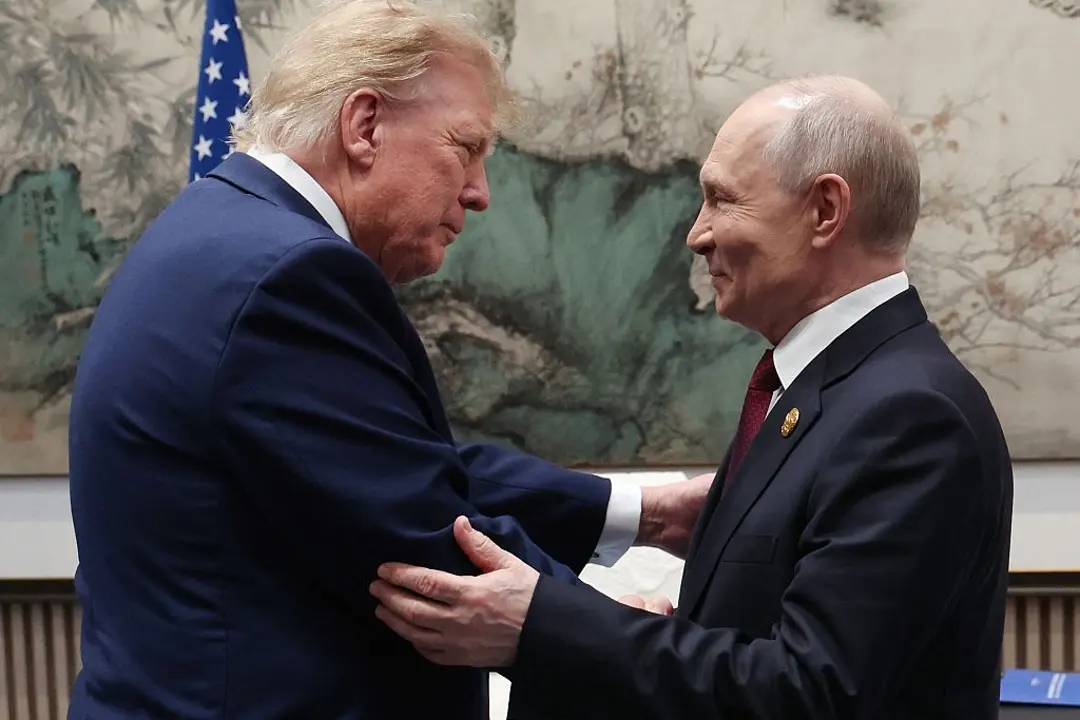
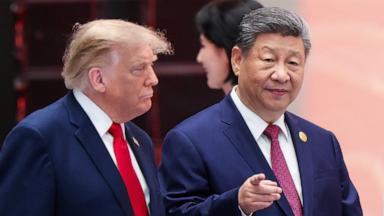
US President Donald Trump’s description of Russian President Vladimir Putin as “my friend” at the Asia-Pacific Economic Cooperation summit in China drew criticism from Polish leaders on Thursday, as European governments sought greater involvement in negotiations over the war in Ukraine.
Polish Prime Minister Donald Tusk appeared to respond to Trump’s remarks with a social media post saying: “God, protect us from such friends.”
The message came hours before Tusk attended a meeting in Berlin of the Coalition of the Willing, a grouping supporting Ukraine. Leaders from Germany, France, Britain and Italy joined the talks alongside Ukrainian President Volodymyr Zelensky and NATO Secretary-General Mark Rutte.
US representatives Steve Witkoff and Jared Kushner also attended and were expected to brief participants on Trump’s discussions with Putin in China. Polish Foreign Minister Radosław Sikorski questioned the implications of the American president’s public warmth towards Putin.
“The optics of this cosying up to Putin—calling him a ‘friend’—cause us some concern, because it raises the question: with whom is he truly friends?” he reportedly told journalists. Before a trilateral meeting with Putin and Chinese President Xi Jinping, Trump praised his “great relationship” with the Russian leader and expressed hope for progress towards ending the war.
“I think things are happening. I think that he and—I hope—the other side would like to see an end to that war,” Trump said. However, a China-US-Russia “peace declaration” published by Chinese state media after the meeting made no mention of Ukraine.
The summit followed renewed Russian and Ukrainian attacks on important bridges. Ukrainian forces struck the Kerch Bridge, which connects Russia with occupied Crimea, and targeted it again early on Thursday, November 19. European governments have continued tightening sanctions on Moscow, while Trump’s approach has prompted concerns among allies.
Last month, Trump waived sanctions on Russia to advance a diesel agreement with Putin intended to reduce fuel prices, which had risen during the war with Iran. On 11 October, Trump announced an “energy ceasefire” between Russia and Ukraine, calling for both countries to stop attacking each other’s energy infrastructure.
Zelensky subsequently accused Russia of violating the arrangement and resumed attacks on Russian oil facilities despite pressure from Washington. Trump described Ukraine’s renewed strikes as a “disgrace” and said Zelensky was “more difficult to deal with than Putin”.
Zelensky has maintained that Ukraine and Europe must be included in discussions about ending the conflict. Speaking at the Berlin meeting, he thanked “everyone who strengthens our defense and works to bring Russia’s war to an end”.
Following talks with Putin in Moscow last week, Witkoff said a European representative would participate in the next stage of negotiations, which are expected to address wider European security arrangements.
“They’re our partners, and it’s important for them to be involved,” he said. His Moscow visit followed two days of US-mediated discussions between Russian and Ukrainian delegations in Abu Dhabi that produced no major breakthrough.
Russia’s chief negotiator in those talks, Kremlin aide Vladimir Medinsky, has expressed scepticism about European participation, potentially complicating efforts to broaden the negotiations. At the European Political Community summit in Dublin last week, French President Emmanuel Macron defended Europe’s role when asked whether its exclusion from the talks undermined its credibility.
“We are those who support Ukraine. We are those who help them in this resistance war. There is no more U.S. support,” Macron said. “We will be the ones to define and decide for our future security as Europeans. I have no doubt about that.”
EU foreign policy chief Kaja Kallas said on Monday that ministers had approved additional sanctions targeting Russian refineries, banks, e-commerce interests and companies supporting Moscow’s shadow fleet of vessels used to evade restrictions on energy exports. She said the EU’s 22nd sanctions package against Russia would be presented in full within days.
Differences over Ukraine have added to strains between Europe and Washington over the Iran war, NATO spending and tariffs. European leaders declined to take an active role in the Iran conflict, drawing criticism from Trump, while the resulting energy crisis increased pressure on relations.
Some European leaders interpreted the Democrats’ sweeping midterm election victories earlier this month as a rejection of the administration’s policies.
“American society voted against policies that only make people poorer. Against hate. Against sexism. Against climate denial and against elite privilege,” said Spanish Prime Minister Pedro Sánchez, who has previously clashed with Trump.
The post Trump calls Vladimir Putin his 'friend' during economic forum in China appeared first on Linda Ikeji Blog.












 English (US) ·