.jpeg)
 1 day ago
1

It’s Moonshot week! 
We’re officially renaming Q4 the “IPO quarter.” Any company that went public before October may have to do the whole thing again, properly this time.
But on a serious note, Anthropic, the AI company behind Claude, filed to list on Nasdaq under the ticker “ANT” on Monday, joining an already busy quarter for public market debuts.
Closer to home, Quickmart, Kenya’s second-largest supermarket chain, has expanded the cornerstone allocation in its KES 15 billion ($116 million) IPO to 48% after three more institutional investors joined the offer.
Read smart insights about Francophone Africa’s tech ecosystem—weekly.

Startups
Klump shuts down after five years of trying to make BNPL work
 Image Source: Tenor
Klump wanted to make taking a loan feel as quick as buying a pair of shoes online. Five years later, the Nigerian buy-now-pay-later (BNPL) startup is shutting down after discovering that fast credit still needs one expensive ingredient: money to lend.
What happened? Klump, founded in 2021 by Celestine Omin and Olufunbi Falayi, has closed after raising about $1.2 million across two rounds. The startup let shoppers split purchases into instalments at checkout and eventually powered financing for hundreds of merchants, including Jumia, Konga, SLOT, and iStore. Seedcamp, the UK-based investor, led its $780,000 pre-seed round in 2022.
Explain like I’m new here: Klump initially funded loans from its own books. Owning the loan book meant it could decide who qualified and return a credit decision in minutes, exactly what an online checkout needed.
But lending at scale requires far more capital than building software, Omin wrote on October 25. Klump tried to raise debt to fund more loans but could not secure enough.
So it changed the model. Instead of lending, Klump became the pipe connecting shoppers and merchants to banks and other lenders. By July, shoppers on e-commerce platform Jumia could choose financing from multiple lenders directly at checkout.
Between the lines: The pivot solved one problem and created another. Klump no longer needed to finance every purchase, but its growth now depended on banks. Integrations took six to 18 months, sometimes years. Lenders decided which sectors they would finance, how much they would lend, and how much risk they would tolerate.
Klump’s problem captures BNPL’s difficult economics. Finance the loans yourself, and you need a deep pool of debt. Let banks fund them and your product moves at bank speed.
Zoom out: Klump explored acquisition options before shutting down, including talks with Kenya’s Lipa Later, which itself entered administration in 2025. Its founders now say BNPL may work better as a feature inside a larger financial services company than as a standalone business.
Klump proved people wanted instalments at checkout. It could not build enough control over the capital behind them.


Upgrade your business today
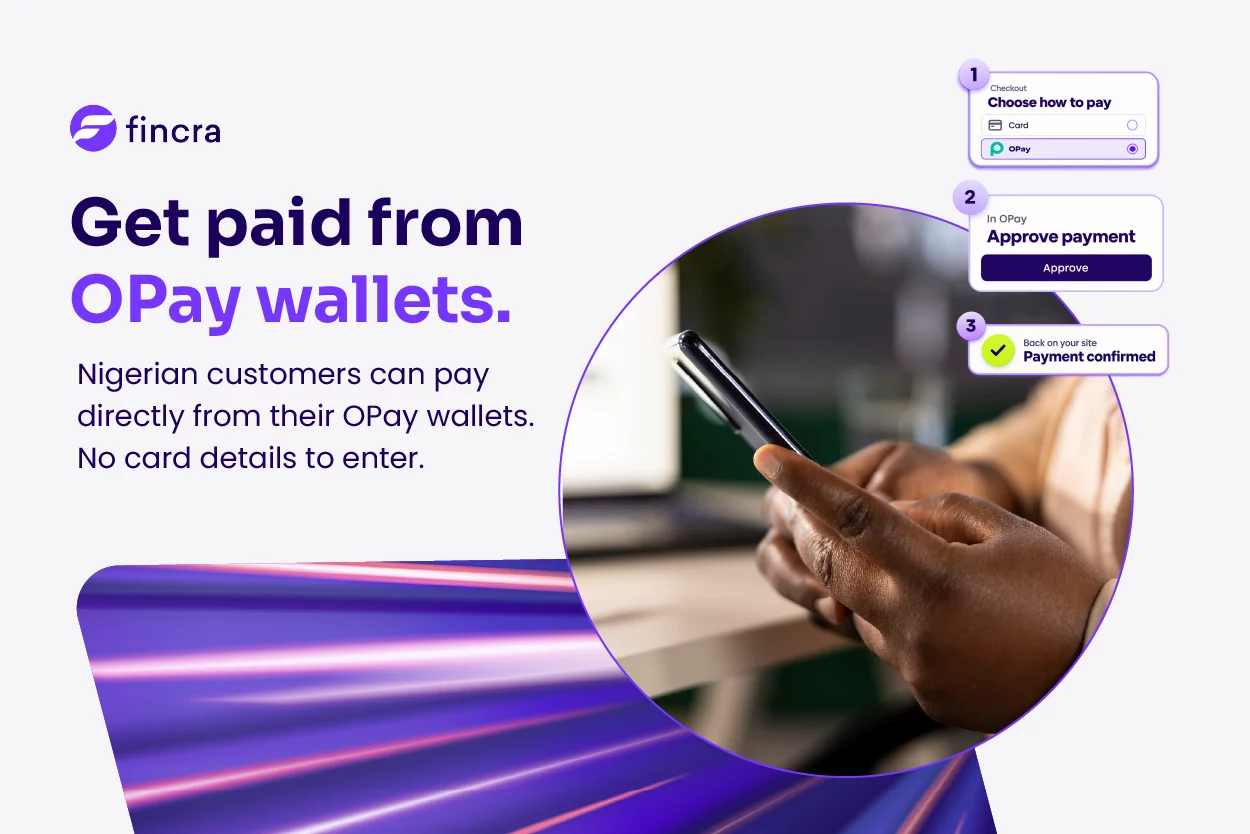
Pay with OPay is live on Fincra. Customers approve payments straight from their OPay wallet, and you get confirmation back on your site. Available now for NGN collections! Upgrade your business today with Fincra pay with OPay.
Banking
FNB, South Africa’s second-largest bank, fined $60,000 for exposing private customer data
 Image Source: Zikoko Memes
Because of their business, banks usually hold valuable and sensitive customer information—names, ID numbers, addresses, salaries, account details, and loan applications. Keeping that data safe is a great responsibility. When banks fail to do so, it sends ripples throughout the ecosystem.
First National Bank (FNB), South Africa’s second-largest lender, unfortunately became susceptible to that risk. On October 23, the Information Regulator fined the bank R1 million ($60,000) for that failure.
What happened? South Africa’s privacy regulator said FNB violated the country’s data protection law, the Protection of Personal Information Act (POPIA). An error in FNB’s banking system wrongly classified some account holders as employees, giving 696 unauthorised people access to personal information belonging to 88 home-loan applicants.
Explain like I’m new here: South Africa’s POPIA governs how organisations handle personal data. The regulator found that FNB breached several provisions, including unlawfully processing an account number. It also said FNB was alerted twice, in March and May 2022, but only acknowledged the second complaint in September.
There’s more: The regulator also flagged how FNB collected and kept personal data. It said the bank wrongly used newspaper reports to build databases on people linked to money laundering and politically exposed persons, because newspaper articles do not count as public records under POPIA.
FNB’s retention policy was also criticised for keeping some records—including cancelled tax certificates, asset ownership records, and securities registers—indefinitely without a stated legal basis.
What now? FNB has 30 days to pay the R1 million ($60,000) fine, agree to pay in instalments, or take the matter to court. If it does none of these, the regulator can recover the fine as a civil judgment.
More value with Mycoverai
You already have a great product. With MyCover.ai, create tailored insurance for your customers across fintech, e-commerce, logistics and more, built around your product, and their needs. Get started here.
Ecommerce
Pick n Pay closes 19 more stores as losses narrow
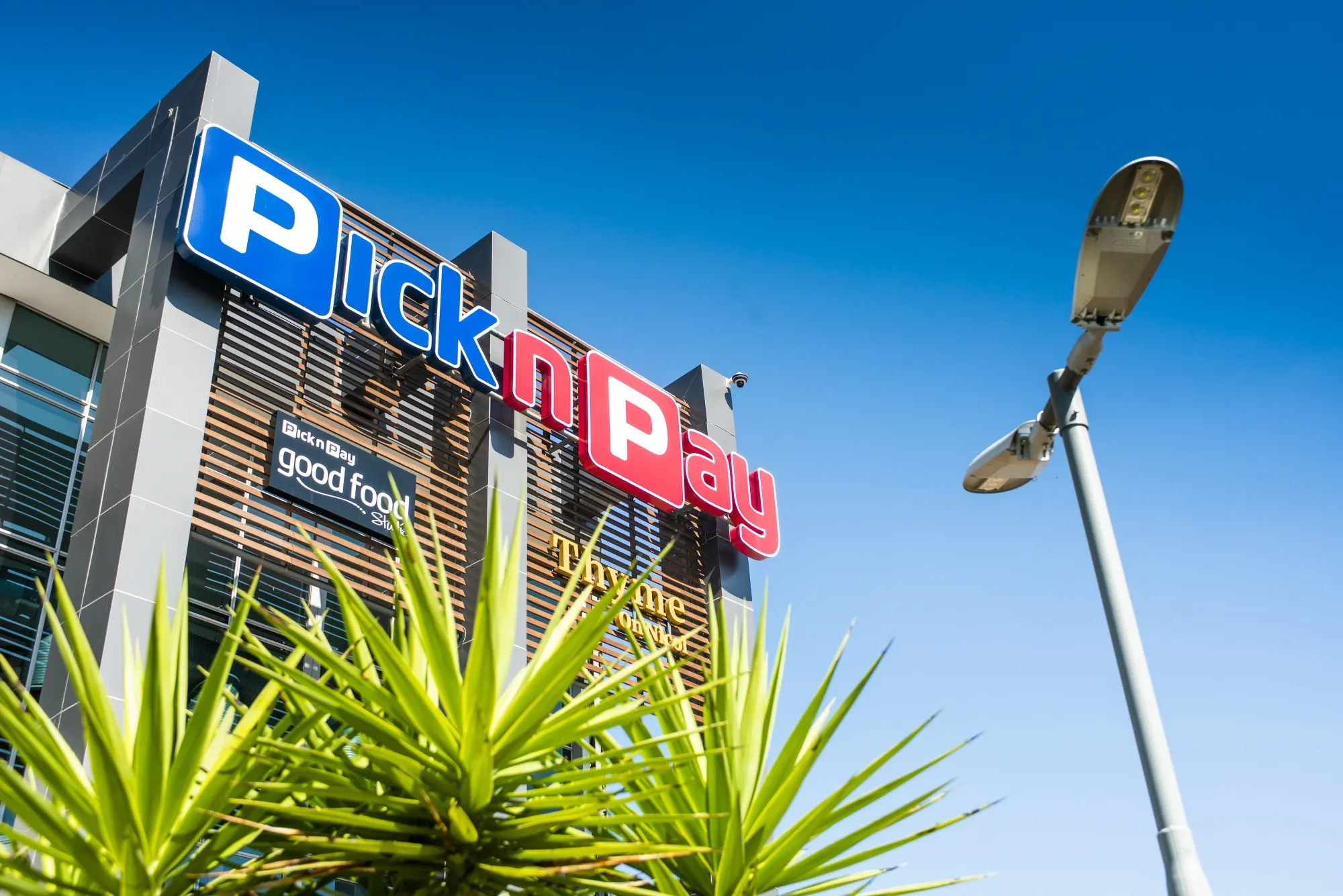 Image Source: Waldo
Pick n Pay is shrinking in size to get healthy again. The South African supermarket chain has closed another 19 stores over the past year, while its half-year headline loss narrowed nearly 32% to R299 million ($18 million).
What happened? Pick n Pay’s turnover was almost flat at R36.4 billion ($2.2 billion) in the six months to August, but gross profit rose 3.9%, and its trading loss narrowed 16.9% to R516 million ($31 million). Online sales were a bright spot, growing 35.4%.
The company now has 520 supermarkets and is targeting a return to profit in its 2029 financial year.
Explain like I’m new here: Pick n Pay is one of South Africa’s oldest and best-known supermarket brands. Raymond Ackerman bought four stores in Cape Town in 1967 and built them into a national retailer. But more than a decade of losing market share to rivals such as Shoprite—the country’s largest supermarket chain by revenue and store count—eventually left its core supermarket business in trouble.
The rescue began in 2024. Pick n Pay raised R4 billion ($240 million) through a rights issue, then sold 34.4% of its faster-growing Boxer discount chain for R8.5 billion ($510.5 million). The money reduced debt and bought the company time to repair the Pick n Pay business.
Between the lines: The turnaround is entering a different phase. Closing bad stores, cutting costs, and staff management can improve the numbers. Now Pick n Pay needs shoppers back.
It is also turning to sports to drive that strategy after backing Springboks, South Africa’s world-champion national rugby team. Its six-year Springboks sponsorship is part of that push. Rugby collectables are bringing customers into stores, while Pick n Pay has exclusive rights to sell cheaper Springbok merchandise. Sean Summers, the company’s chief executive officer, said merchandise sales have been “absolutely phenomenal.”
The first phase of the turnaround was about survival. The next is about relevance.
What to watch: Same-store sales. Pick n Pay’s company-owned South African supermarkets recorded 2.4% same-store sales growth in the first half of 2026. Closing another weak store improves the cost base; getting more people through the remaining stores is what eventually gets Pick n Pay back to profit.
Don’t miss Moonshot 2026 for anything in the world!

True scale demands moving beyond surface-level integrations to robust execution. We’ve filtered the noise out of Moonshot 2026, optimising the conference strictly for high-calibre connections between startup founders, global financial operators, enterprise leaders and individuals rewiring Africa’s technical frameworks. Join us on October 28 & 29, 2026. Get your ticket.
Pay-TV
DStv is cutting Kenya prices to win back viewers
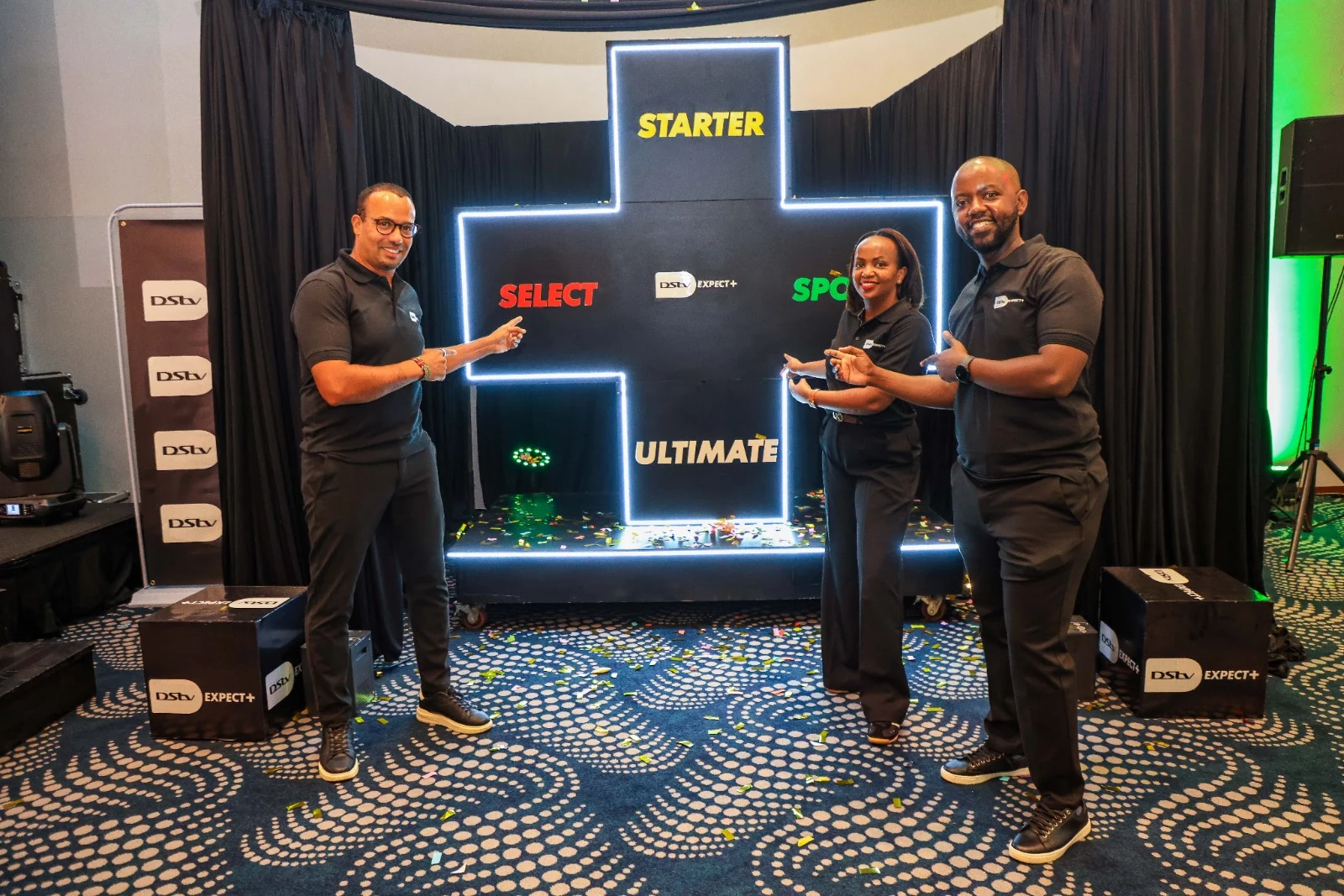 ( L-R ) MultiChoice Kenya CEO Nzola Miranda, MultiChoice Kenya Head of Marketing Christine Warui, and MultiChoice Head of public Relations Elisha Kamau pose for a photo during the official unveiling of the DStv Expect + at Radisson Blu, Upperhill Nairobi, Kenya. The launch announced the new packages which aim to provide more values to customers. Image Source: MultiChoice
DStv, the pay-TV platform owned by MultiChoice, has been reshuffling its prices and packages. First in South Africa, now in Kenya. What caught our attention is that MultiChoice has unbundled sports into a standalone package in both markets. Meanwhile, Nigeria is still waiting for the same treatment.
What happened? Canal+-owned MultiChoice is replacing six DStv packages with four in Kenya. From November 5, prices will range from KES 750 ($6) for Starter to KES 7,300 ($56) for Ultimate, down from KES 11,700 ($90) for Premium. That is a 38% cut at the top end.
The Sports package will cost KES 3,000 ($23) and include Premier League and UEFA Champions League matches, plus UFC and WWE.
Explain like I’m new here: DStv is trying to stop a subscriber decline that has been building for years. MultiChoice ended 2025 with 14.4 million subscribers, down from 14.9 million in the previous year. Canal+ has responded with a €100 million ($112 million) growth plan built around simpler packages, lower entry costs and stronger distribution, while shutting down loss-making Showmax to cut costs. MultiChoice expects a €140 million ($157 million) loss in 2026, hit by weaker revenue and rising costs
Will cheaper DStv bring people back? DStv has already tried cheaper packages and promotions in markets such as South Africa, but price alone cannot fix the subscriber problem. Its competition is no longer limited to pay-TV rivals such as StarTimes and Zuku.
Viewers can instead spend their time and money on Netflix, YouTube, TikTok, and other streaming services. Interestingly, Netflix, one of Africa’s widely-streamed platforms, is facing its own problems, as watch hours decline globally.
Is it an attention span problem, electricity outages, cost, or are users just deprioritising entertainment services in the pecking order?
MultiChoice is approaching the problem from all angles that it can control. GOtv gives price-sensitive customers another option within the same group. Canal+ is betting that cheaper entry points and easier access to sports will give DStv a reason to stay in the monthly budget.
CRYPTO TRACKER
The World Wide Web3
Source:

 Bitcoin |
$79,869 |
– 0.30% |
– 5.46% |
| Ether |
$2,390 |
– 2.19% |
– 14.03% |
| XRP |
$1.31 |
– 2.20% |
– 19.85% |
| Solana |
$103.84 |
– 1.51% |
– 13.17% |
* Data as of 06.49 AM WAT, October 27, 2026.
Opportunities
- Dar Blockchain and The Hashgraph Association have launched a four-month incubation programme to help 18 Web3 ventures from the Hedera Africa Hackathon become investment-ready startups. Backed by $900,000, the programme will provide technical support, business mentorship, product development assistance, and access to potential investors. At least five startups are expected to be ready for seed investment by January 2027, when the programme concludes with an investor Demo Day. Learn more.

Written by: Emmanuel Nwosu and Yemi Kareem
Edited by: Emmanuel Nwosu & Ganiu Oloruntade
Want more of TechCabal?
Sign up for our insightful newsletters on the business and economy of tech in Africa.
- The Next Wave: futuristic analysis of the business of tech in Africa.
- Francophone Weekly by TechCabal: insider insights and analysis of Francophone’s tech ecosystem
P:S If you’re often missing TC Daily in your inbox, check your Promotions folder and move any edition of TC Daily from “Promotions” to your “Main” or “Primary” folder and TC Daily will always come to you.







 English (US) ·