.jpeg)
 3 hours ago
1
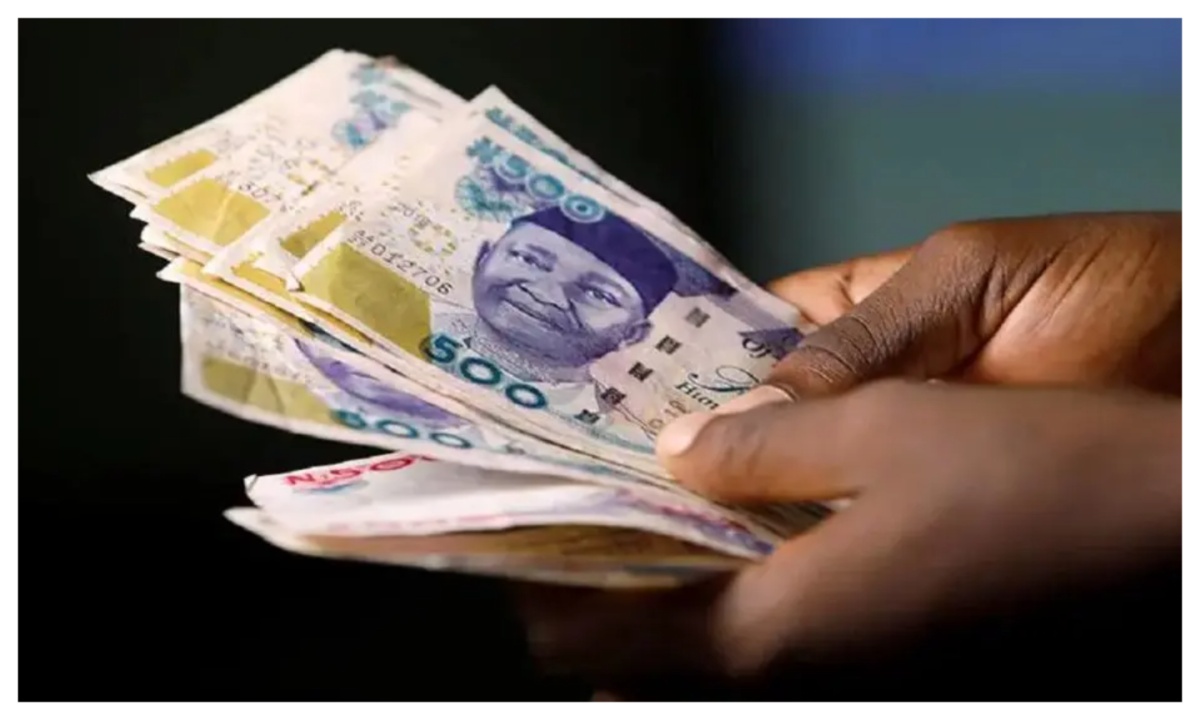
Financial analysts have raised alarm over fresh downward pressure on the naira and a simultaneous dip in Nigeria’s foreign exchange buffers, attributing the trend to heightened dollar demand as political campaigning accelerates ahead of the January 16, 2027 presidential election.
Market data shows the domestic currency slid from ₦1,346.79 per dollar on November 6, 2026, to ₦1,394.01 on Monday, November 23, a drop of ₦47.22, or 3.51 percent, over a 17-day window.
Within roughly the same timeframe, the nation’s gross external reserves shed $660 million (1.19 percent), easing from $55.24 billion on November 6 to $54.58 billion by November 18.
The currency strain coincides with a surge in nationwide political mobilization involving President Bola Tinubu of the All Progressives Congress (APC), Atiku Abubakar of the African Democratic Congress (ADC), Peter Obi of the Nigeria Democratic Congress (NDC), Social Democratic Party (SDP) flagbearer Adewole Adebayo, and candidates from 14 other registered parties.
Rallies and town hall meetings have recently spanned states including Kaduna, Delta, Plateau, Kebbi, Oyo, Yobe, Adamawa, and Lagos, alongside heightened policy debates over fuel pricing and ongoing intra-party litigation.
Former President of the Chartered Institute of Bankers of Nigeria (CIBN), Okechukwu Unegbu, similarly pointed to campaign-related spending as a plausible driver behind the market volatility.
"It is possible that the political campaigns are taking a toll on the naira and Nigeria's foreign exchange reserves," Unegbu stated.
However, renowned accountant and financial Professor Godwin Oyedokun offered a broader structural assessment, arguing that while election-cycle anxiety affects market sentiment, deeper systemic weaknesses remain at the core of the currency's slide.
"The recent depreciation of the naira and decline in external reserves reflect growing pressure on Nigeria’s foreign exchange market. While increased dollar demand is a contributing factor, the challenge goes beyond demand to include inadequate and inconsistent foreign exchange inflows, import dependence, speculative activities and investor uncertainty," Oyedokun explained.
"The widening gap between the official and parallel exchange rates also suggests persistent challenges with foreign exchange accessibility and market confidence.
The post 2027: Financial analysts raise concerns as Naira loses N47 against dollar while foreign reserves drop $660m appeared first on Linda Ikeji Blog.




















 English (US) ·